
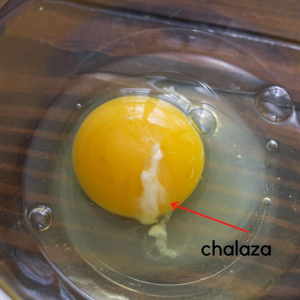
What is that white thing on the yolk?
Have you ever cracked open a fresh egg and noticed a small white, rope-like structure attached to the yolk? You’re not alone in wondering what that mysterious white thing is! Let’s explore the fascinating anatomy of an egg and uncover the purpose of this often-misunderstood component.
The Parts of an Egg
Every egg is a marvel of natural engineering, with each part serving a specific purpose:
The Shell forms the protective outer barrier, made primarily of calcium carbonate. It’s porous, allowing air exchange while keeping bacteria out.
The Shell Membrane consists of two thin layers just inside the shell that provide additional protection against bacterial invasion.
The Albumen is the egg white, which comes in two consistencies – thick and thin. This protein-rich layer cushions and nourishes the developing embryo.
The Yolk is the nutrient-dense center, containing fats, proteins, vitamins, and minerals that would feed a developing chick.
The Chalaza – and here’s the answer to our title question! Those white, twisted strands attached to the yolk are called chalazae (plural). They act like anchor cords, holding the yolk centered within the egg white. The more prominent the chalaza, the fresher your egg!
[Insert image: Close-up photo of a cracked egg showing the yolk with visible chalaza – the white, rope-like strands extending from the yolk]
The Protective Bloom
Fresh eggs from your hens come with a natural protective coating called the “bloom” or cuticle. This invisible layer seals the shell’s pores, preventing bacteria from entering and moisture from escaping. It’s nature’s way of keeping eggs fresh without refrigeration.
How Long Can Eggs Sit on the Counter?
Thanks to the bloom, unwashed fresh eggs can safely sit at room temperature for several weeks – typically 2-3 weeks in moderate climates. However, once you wash an egg (removing the bloom), it should be refrigerated and used within a week or two.
The key is never to wash your eggs until you’re ready to use them. Store them pointed-end down in a cool, dry place, and you’ll enjoy farm-fresh goodness for weeks to come.
Next time you crack open an egg and see that white stringy bit, remember – it’s not a defect, it’s a sign of freshness!