What We Feed Our Chickens:
A Guide to Healthy, Happy Hens
TL;DNR
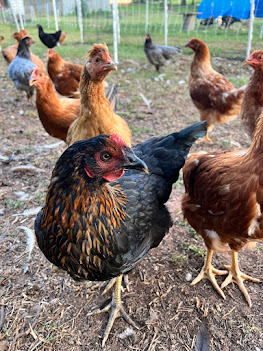
We feed our chickens all-organic, non-GMO feed, supplement with fresh store-bought kale and carrots, and provide daily home-grown forage for optimal health and nutrition. This comprehensive approach ensures our birds receive the highest quality nutrition while avoiding harmful pesticides, herbicides, and synthetic chemicals found in conventional feeds.
The Deets
Raising chickens is one of life’s most rewarding experiences, and proper nutrition is the foundation of healthy, productive birds. At our farm, we’ve developed a comprehensive feeding approach that prioritizes quality, nutrition, and natural ingredients. Here’s everything you need to know about how we keep our feathered friends well-fed and thriving.
The Foundation: All-Organic, Non-GMO Feed
The cornerstone of our chickens’ diet is high-quality, all-organic, non-GMO feed. We believe that what goes into our chickens directly affects their health, egg quality, and overall well-being. By choosing organic feed, we ensure our birds aren’t exposed to harmful pesticides, herbicides, or synthetic chemicals that are commonly found in conventional feeds.
Non-GMO feed is equally important to us. We want to provide our chickens with nutrition that’s as close to nature as possible, avoiding genetically modified ingredients that could potentially impact their long-term health. This commitment to clean feeding practices means our chickens get the pure, wholesome nutrition they deserve.
Types of Feed We Use
Our feeding program includes several different types of organic, non-GMO feeds to meet our chickens’ varying nutritional needs:
- Starter feed (20-24% protein) – For chicks up to 8 weeks old
- Grower feed (16-18% protein) – For young birds from 8-16 weeks
- Layer feed (16-18% protein with added calcium) – For laying hens
- Scratch grains – A supplemental treat mix of cracked corn, wheat, and other grains
- Oyster shell supplement – For extra calcium to support strong eggshells
- Fresh Store-Bought Supplements
In addition to their base feed, we regularly supplement our chickens’ diet with fresh, store-bought vegetables that provide extra vitamins, minerals, and variety. Two of our go-to supplements are kale and carrots.
Kale is a nutritional powerhouse that our chickens absolutely love. Rich in vitamins A, C, and K, plus calcium and iron, fresh kale provides essential nutrients that support immune function and overall health. We chop it into manageable pieces and scatter it around their run, which also encourages natural foraging behavior.
Carrots are another favorite supplement that adds both nutrition and enrichment to their diet. High in beta-carotene (which converts to vitamin A), carrots support eye health and immune function. We often hang whole carrots in their coop as a fun, interactive treat that keeps them busy and engaged.
The Power of Home-Grown Forage
Perhaps the most important aspect of our chickens’ nutrition is the daily access to home-grown forage. We’ve cultivated areas of our property specifically to provide natural foraging opportunities that mirror what chickens would eat in the wild.
Our forage areas include a variety of grasses, herbs, and edible plants that our chickens can browse throughout the day. This includes clover, dandelions, plantain, and other beneficial weeds that provide natural vitamins, minerals, and probiotics. The chickens also hunt for insects, worms, and other protein sources in these areas, which helps balance their diet naturally.
This daily foraging isn’t just about nutrition—it’s about allowing our chickens to express their natural behaviors. Scratching, pecking, and hunting for food keeps them mentally stimulated and physically active, contributing to their overall well-being.
Why This Approach Works
Our comprehensive feeding approach ensures our chickens receive balanced nutrition from multiple sources. The organic, non-GMO base feed provides consistent, reliable nutrition, while the fresh vegetables add variety and extra vitamins. The home-grown forage completes the picture by offering natural diversity and behavioral enrichment.
The result? Healthy, happy chickens that lay beautiful eggs with rich, orange yolks and strong shells. Their feathers are glossy, their energy levels are high, and they exhibit natural, confident behaviors that tell us they’re thriving.
Feeding chickens well doesn’t have to be complicated, but it does require attention to quality and variety. By combining high-quality commercial feed with fresh supplements and natural foraging opportunities, we’ve created a feeding program that supports our chickens’ health while honoring their natural instincts. Your feathered friends will thank you for the extra effort!